✨ New Arrivals Just Dropped!Explore

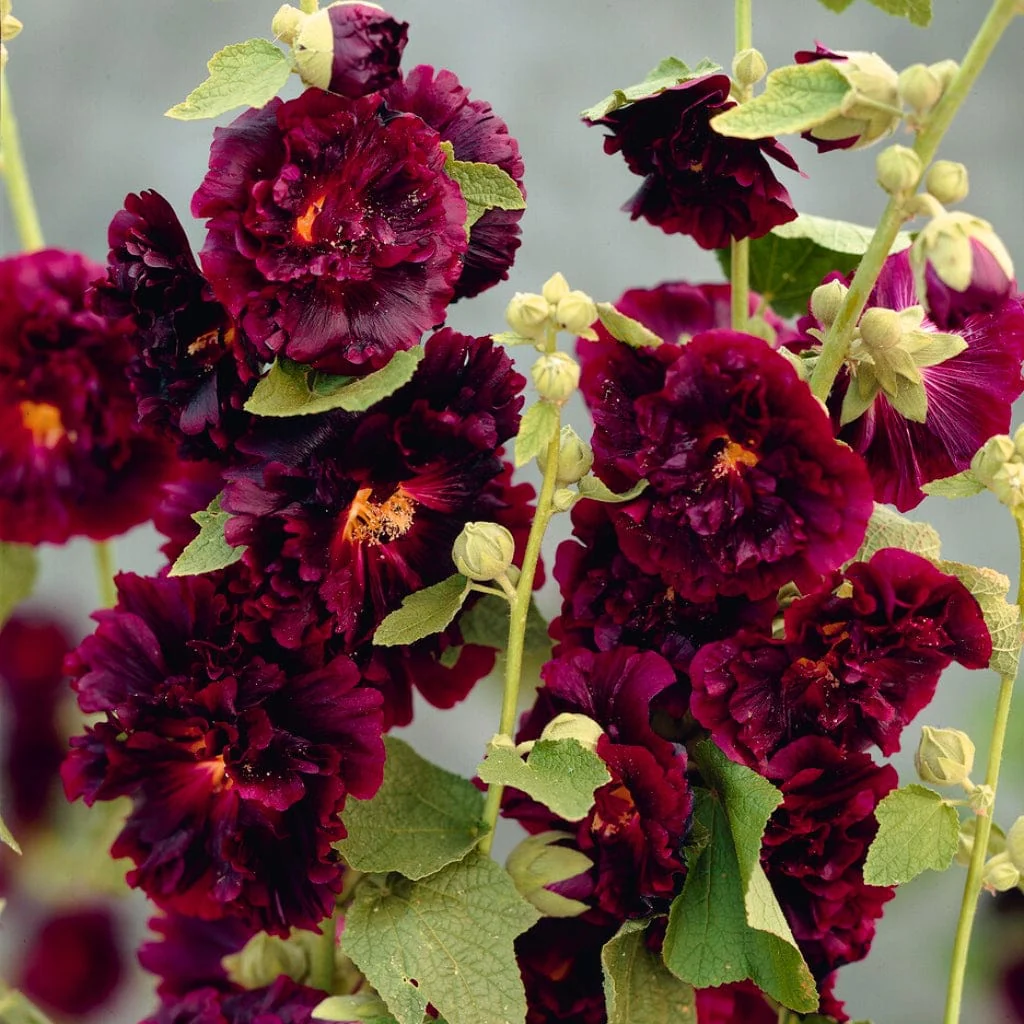
Hollyhock 'Chaters Purple'
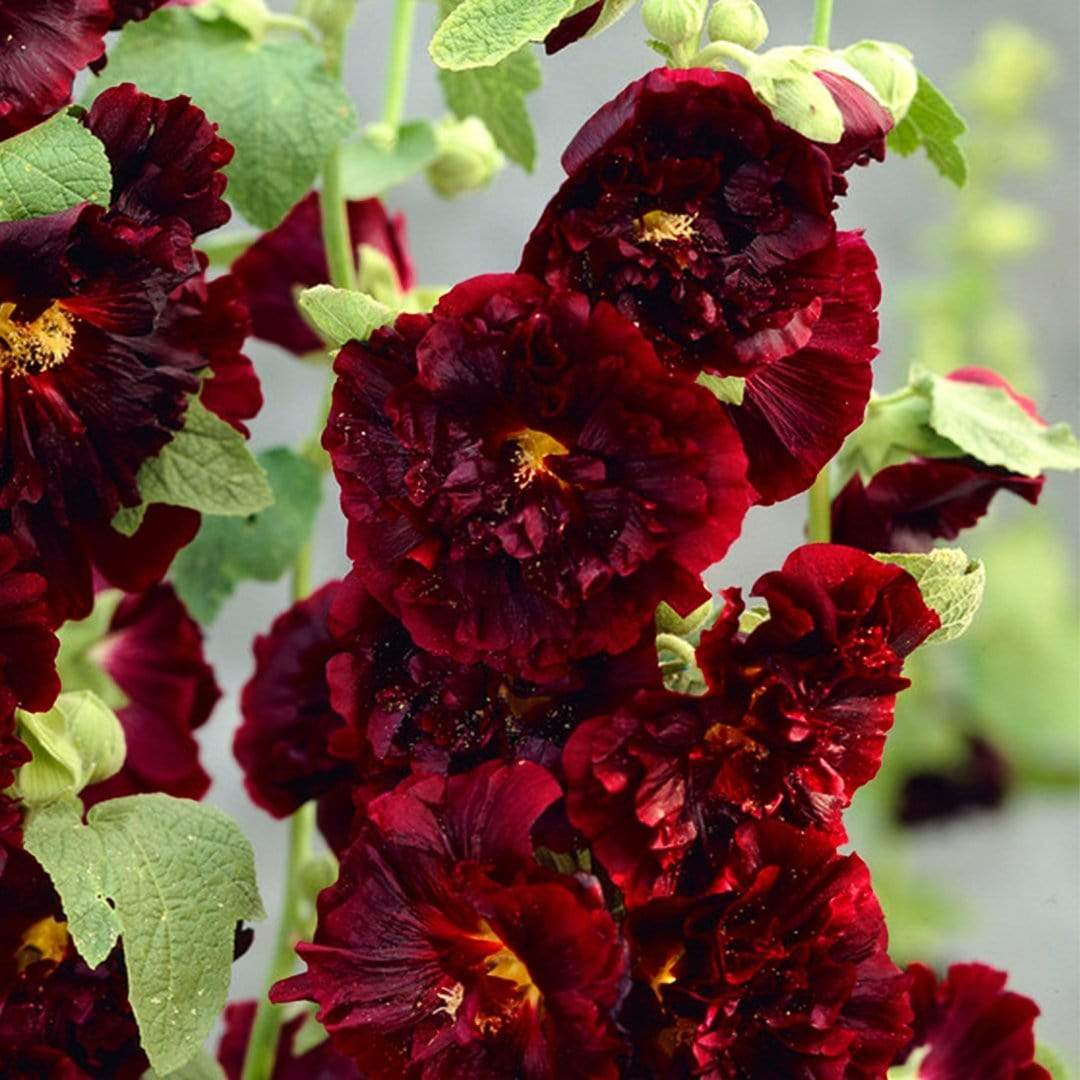
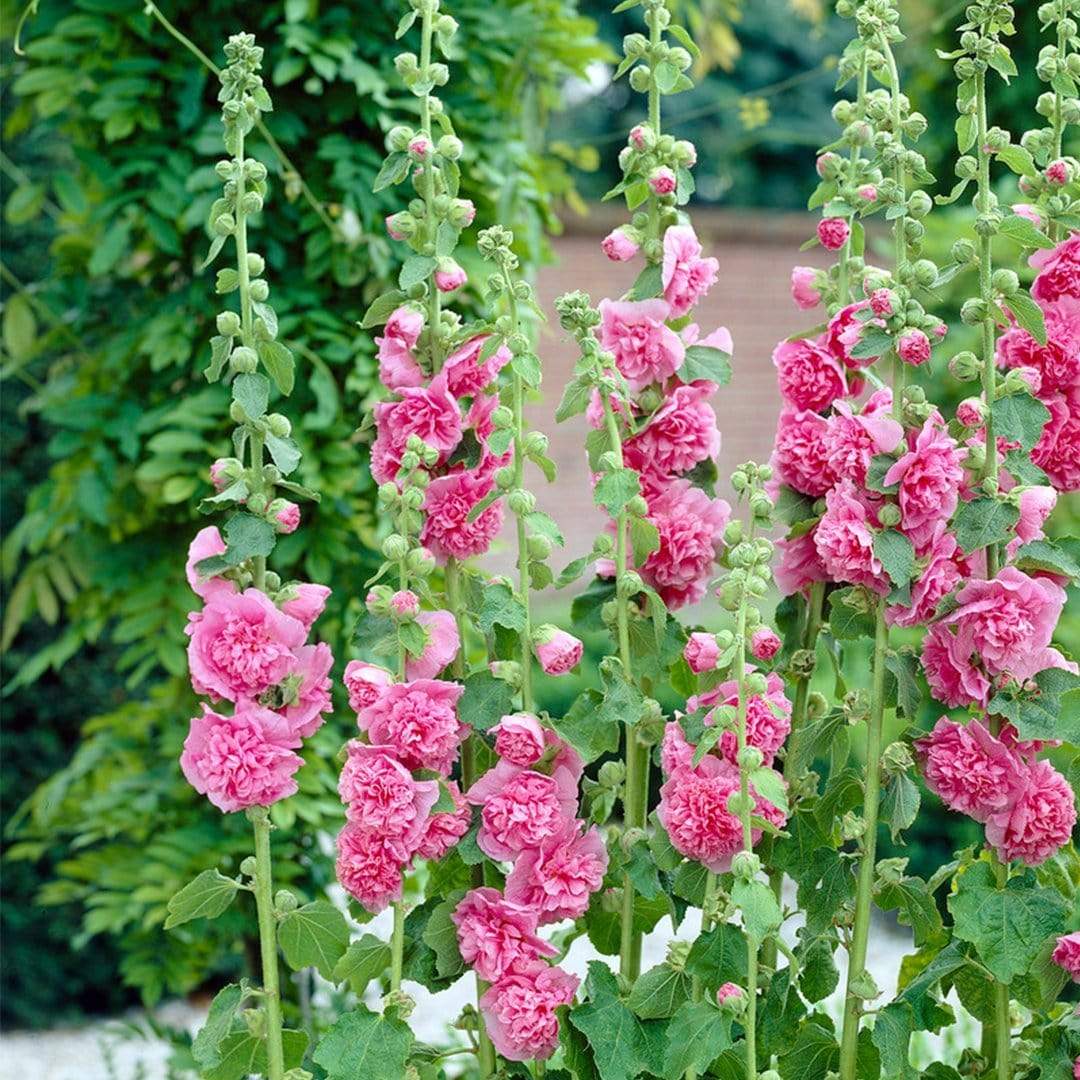
- Strong, towering stems covered in rosette-like flowers in a rich and velvety plum purple shade
- Flowers from July to September
- A spectacular hardy perennial which typically reaches a height of over 2m!
- Plant in full sun at the back of a border by a wall or fence, or support with canes - they will self seed and come back year after year
- Edible flowers - use them to decorate cakes or add to salads
- Chater's hollyhocks are named for the 19th century horticulturalist Chater of Essex who bred these varieties in the 1880s
- Attractive to butterflies and pollinating insects, hollyhocks have been described as flagpoles for the bees
Select Title
From $3.20
Original: $10.68
-70%Hollyhock 'Chaters Purple'—
$10.68
$3.20More Images

Hollyhock 'Chaters Purple'
- Strong, towering stems covered in rosette-like flowers in a rich and velvety plum purple shade
- Flowers from July to September
- A spectacular hardy perennial which typically reaches a height of over 2m!
- Plant in full sun at the back of a border by a wall or fence, or support with canes - they will self seed and come back year after year
- Edible flowers - use them to decorate cakes or add to salads
- Chater's hollyhocks are named for the 19th century horticulturalist Chater of Essex who bred these varieties in the 1880s
- Attractive to butterflies and pollinating insects, hollyhocks have been described as flagpoles for the bees
Product Information
Product Information
Shipping & Returns
Shipping & Returns
Description
- Strong, towering stems covered in rosette-like flowers in a rich and velvety plum purple shade
- Flowers from July to September
- A spectacular hardy perennial which typically reaches a height of over 2m!
- Plant in full sun at the back of a border by a wall or fence, or support with canes - they will self seed and come back year after year
- Edible flowers - use them to decorate cakes or add to salads
- Chater's hollyhocks are named for the 19th century horticulturalist Chater of Essex who bred these varieties in the 1880s
- Attractive to butterflies and pollinating insects, hollyhocks have been described as flagpoles for the bees