✨ New Arrivals Just Dropped!Explore

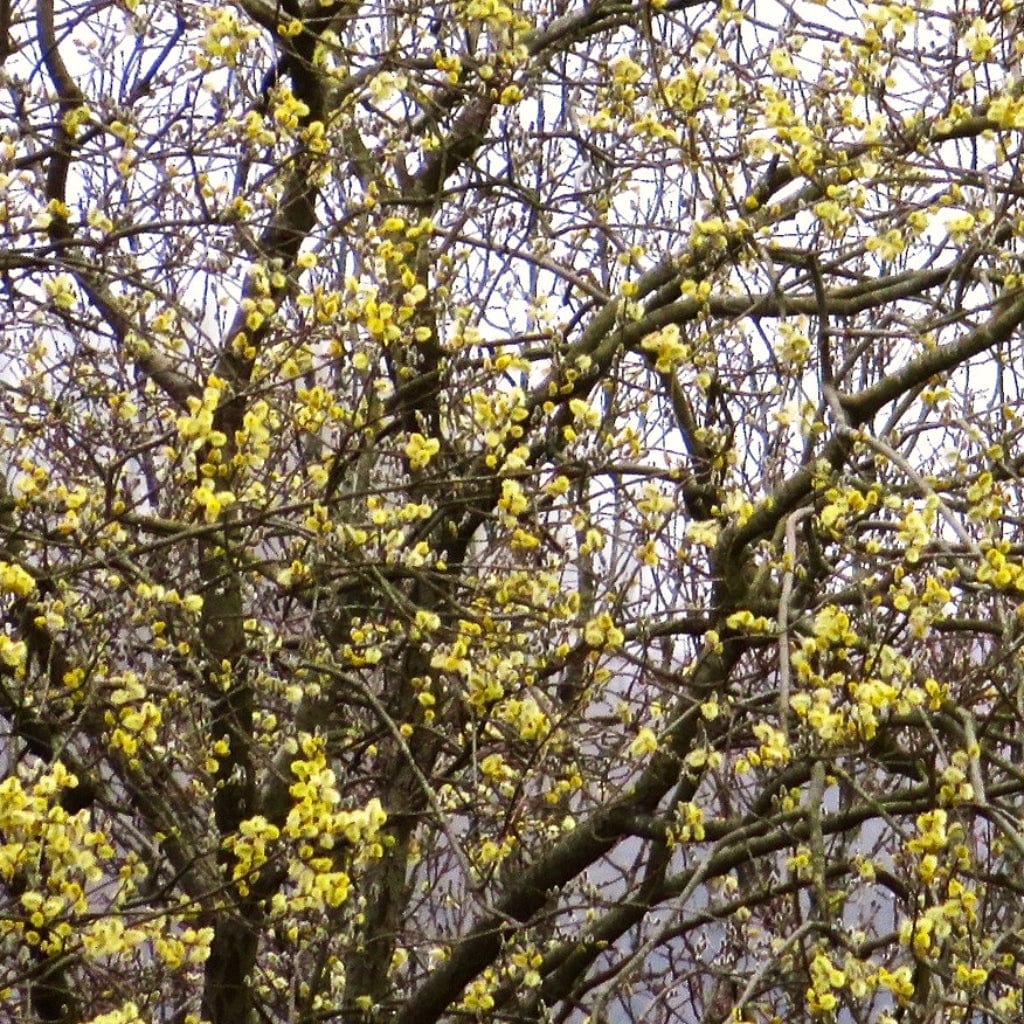
Goat Willow Hedging | Salix caprea
- This deciduous native hedge is hugely valuable to wildlife and has been naturalized in Britain since Roman times
- Fluffy silver catkins appear on the bare branches in early spring, followed by bright green oval shaped leaves
- A fully hardy, moderately growing plant which will reach a height of approx 8m but can easily be maintained at 1-4m
- Goat Willow will grow well in all soil types and sites, even exposed, windy areas and wet or chalk soil
- The catkins are highly attractive to bees and this hedge is also a favourite with many species of butterflies and moths
- The name Goat Willow probably comes from an illustration in Hieronymus Bock's Herbal, published in 1546. The picture shows a goat grazing on the tree which seems to have inspired its naming almost 200 years later - goats have no special preference for this tree and will pretty much eat anything!
$1.60
Original: $5.34
-70%Goat Willow Hedging | Salix caprea—
$5.34
$1.60More Images


Goat Willow Hedging | Salix caprea
- This deciduous native hedge is hugely valuable to wildlife and has been naturalized in Britain since Roman times
- Fluffy silver catkins appear on the bare branches in early spring, followed by bright green oval shaped leaves
- A fully hardy, moderately growing plant which will reach a height of approx 8m but can easily be maintained at 1-4m
- Goat Willow will grow well in all soil types and sites, even exposed, windy areas and wet or chalk soil
- The catkins are highly attractive to bees and this hedge is also a favourite with many species of butterflies and moths
- The name Goat Willow probably comes from an illustration in Hieronymus Bock's Herbal, published in 1546. The picture shows a goat grazing on the tree which seems to have inspired its naming almost 200 years later - goats have no special preference for this tree and will pretty much eat anything!
Product Information
Product Information
Shipping & Returns
Shipping & Returns
Description
- This deciduous native hedge is hugely valuable to wildlife and has been naturalized in Britain since Roman times
- Fluffy silver catkins appear on the bare branches in early spring, followed by bright green oval shaped leaves
- A fully hardy, moderately growing plant which will reach a height of approx 8m but can easily be maintained at 1-4m
- Goat Willow will grow well in all soil types and sites, even exposed, windy areas and wet or chalk soil
- The catkins are highly attractive to bees and this hedge is also a favourite with many species of butterflies and moths
- The name Goat Willow probably comes from an illustration in Hieronymus Bock's Herbal, published in 1546. The picture shows a goat grazing on the tree which seems to have inspired its naming almost 200 years later - goats have no special preference for this tree and will pretty much eat anything!


